In short
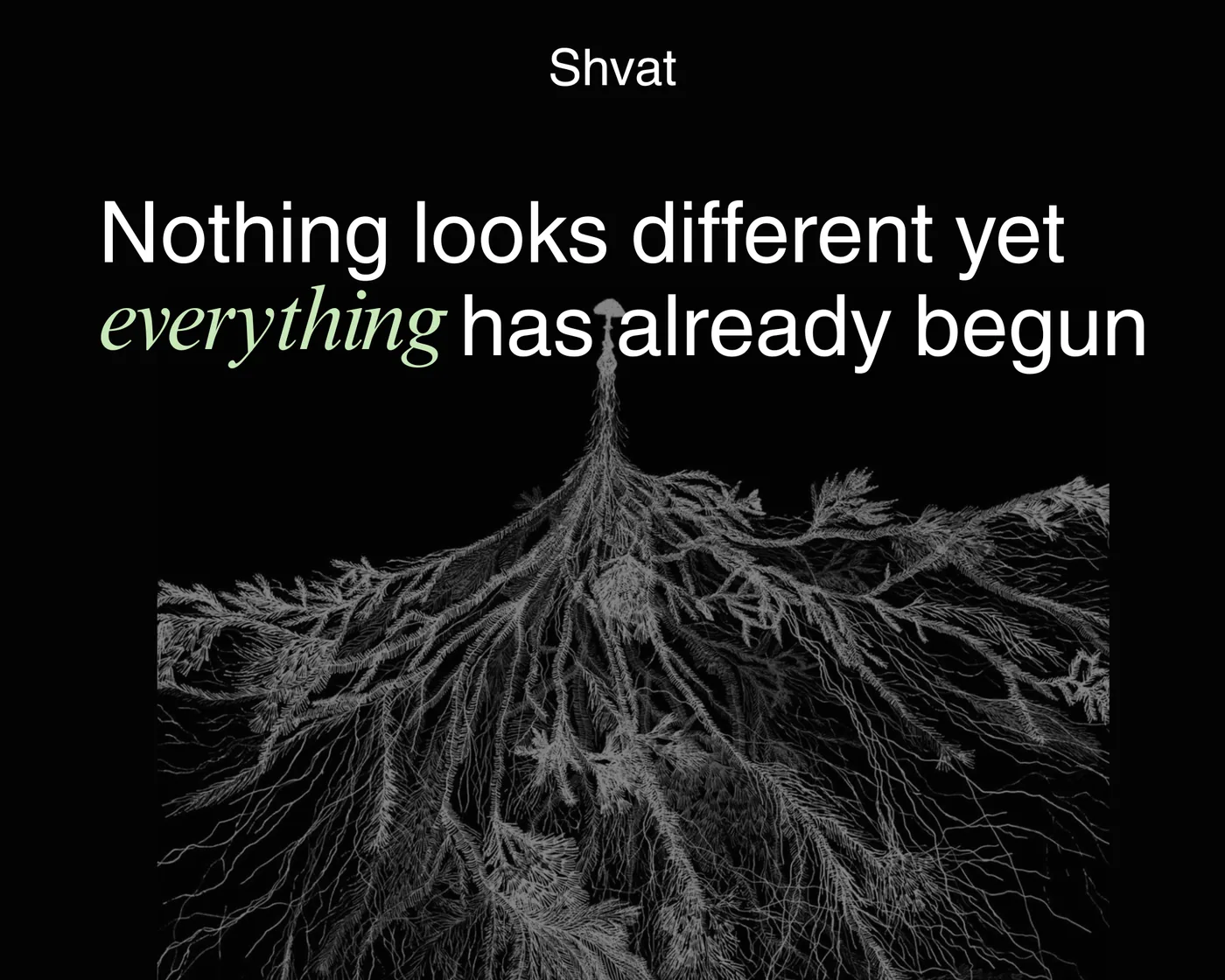
Tu BiShvat is the fifteenth of Shevat, the new year of the trees, when the sap begins rising in Israel. In Talmudic times it was an administrative cutoff for agricultural tithes. The Kabbalists of sixteenth century Tzfat created a Tu BiShvat seder of four cups and three categories of fruit, and the Zionist movement revived the day as a tree planting festival.
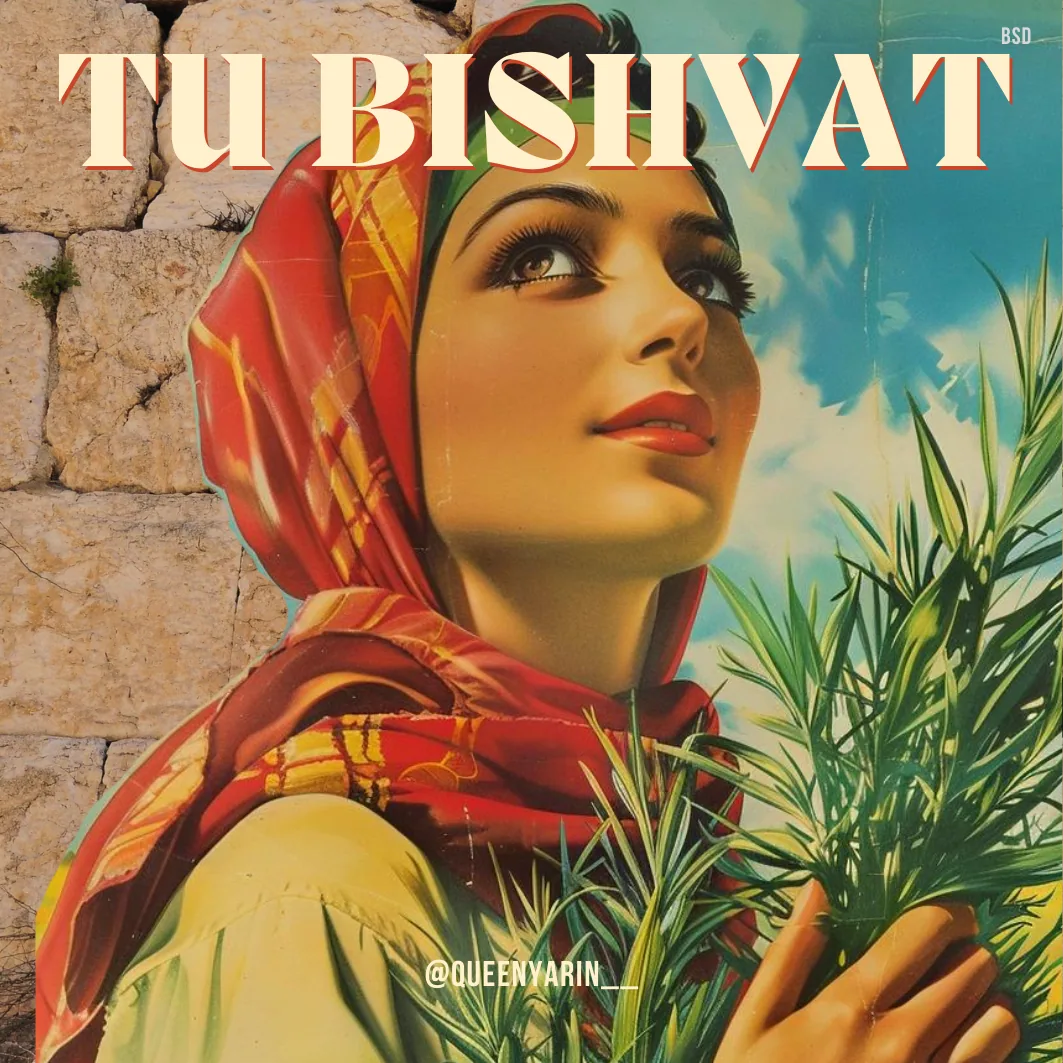
Tu BiShvat (ט״ו בשבט) is the New Year for Trees, a minor Jewish holiday that falls on the 15th of the Hebrew month of Shvat. It marks the point in the year when the sap begins to rise in the trees in Israel, signaling the transition from winter to spring.
Not a religion…
We often think of Judaism as just a religion, but it’s more than that -
Am Yisrael is a people, an ethnicity a culture, a nation.
And from the very beginning, Judaism has been deeply tied to the land of Israel.
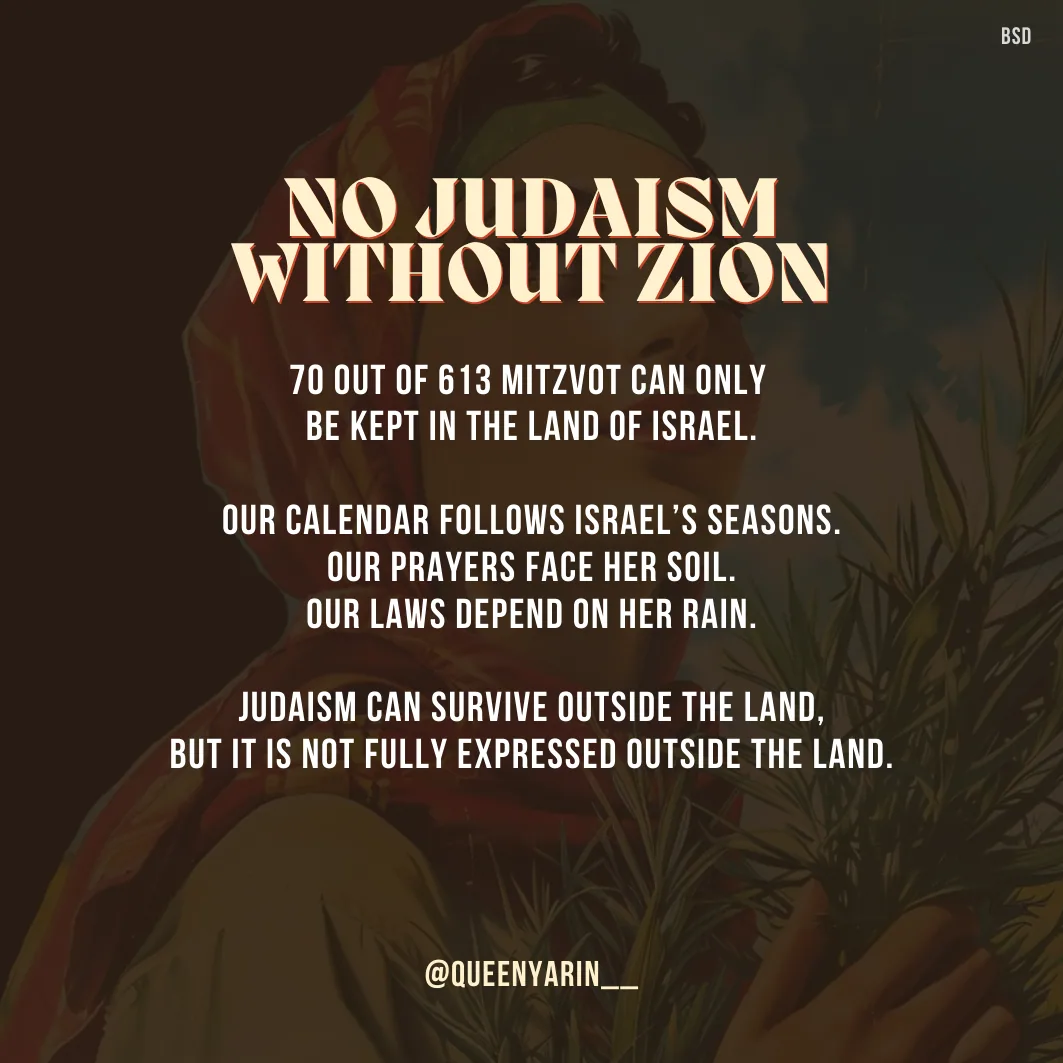
Judaism is also a land-based faith. Our holidays follow Israel’s agricultural cycle, and 70! Of our commandments are directly connected to
Eretz Yisrael.
To me
Tu BiShvat is an important reminder of this connection.
But the way we celebrate Tu BiShvat today is very different from its original purpose. In Talmudic times, the 15th of Shevat wasn’t about planting trees or eating dried fruits - it was an
administrative date
, the cutoff for calculating agricultural tithes from trees. Much like January 1st marks the start of the tax year in many countries today, Tu BiShvat was essentially a
fiscal calendar marker for fruit-tree taxation.
But after the destruction of the Second Temple (70 CE)
– With the exile of the Jewish people and the cessation of agricultural laws tied to the Temple, Tu BiShvat lost its practical function and became a minor holiday in the diaspora, and was a reminder of the Jewish connection to the land, both spiritually and physically.
How Zionism revived Tu Bishvat
The Zionist movement of the late 19th and early 20th centuries transformed this date into something meaningful. The Jewish National Fund (JNF) established the tradition of planting trees on this holiday; it transformed an ancient agricultural festival into an expression of Zionist renewal.
The custom of mass tree-planting that continues to this day. (I even saw an ad today on the news!)
Since Tu BiShvat became a tree-planting day, Israel has planted over 250 million trees, making it one of the only countries to enter the 21st century with more trees than it had 100 years earlier.
The Inauguration of The Knesset, Israel’s parliament, also happened on Tu BiShvat, 5709 (February 14, 1949).
This wasn’t just a coincidence, by design, it emphasized the nation’s renewal and growth.
This historic moment linked Israel’s political revival with its deep-rooted connection to the land, reinforcing the themes of renewal, resilience, and national identity.
So wow do we actually celebrate TuBishvat today ?
Eating fruit
Holding a Tu Bishvat Seder
Planting Trees
Learning Jewish Texts & Connecting to the Spiritual Symbolism of Trees
A central practice of Tu Bishvat is eating & blessing fruits, particularly those associated with the Shiv’at HaMinim (Seven Species) mentioned in the Torah which are
🍇 Grapes | 🍈 Figs | 🍃 Pomegranates | 🌾 Wheat | 🌾 Barley | 🍯 Dates | 🫒 Olives
We also eat new and exotic fruits, especially those they haven’t eaten that season, to say the Shehecheyanu blessing.
Credit to: Sarah Yehudit Shneider
You can get the whole Seder guide in the link.
Tu BiShvat Seder
There is a new trend in Israel of Tu B’shevat seders. The Tu BiShvat Seder which was created by The Kabbalists of Tzfat (16th century), it is structured like the Passover seder, but focused on the spiritual dimensions of fruit and nature.
The seder typically includes:
Four Cups of Wine
– Moving from white to red wine symbolizes the changing seasons and the spiritual transformation of the physical world.
Three Categories of Fruit
– Representing different levels of reality:
Fruits with shells (e.g., almonds, walnuts) symbolize protection and hidden potential.
Fruits with pits (e.g., olives, dates) symbolize inner essence.
Fully edible fruits (e.g., figs, grapes) symbolize wholeness and unity.
Kabbalistic Meditations and Blessings
– Connecting the act of eating to the divine flow of abundance and renewal.
This seder today is used as an opportunity to reflect on personal growth and is in general a fun and meaningful experience.
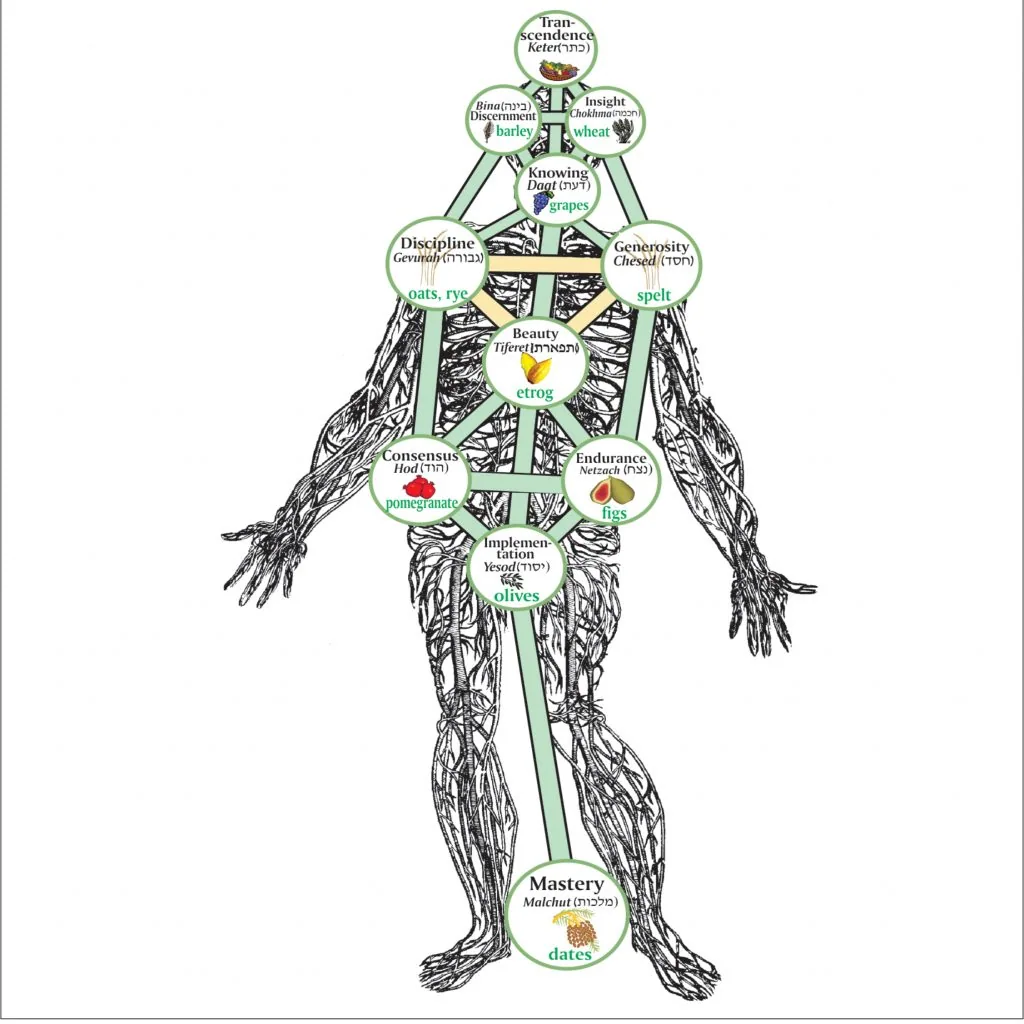
The image above shows the kabbalistic connection between each fruit and the sephira associated with it, it’s a little advanced Kabbalah but very interesting and I will save it for the next article. See you there! Happy Tu Bishvat!
PS. All of these articles are part of the book that will be published. Stay Tuned!
All of the art are limited prints made by me. If you want one, email me or reach out on instagram.
See you soon!
Written by Yarin Weltsman (Queen Yarin)
About Yarin →Questions people ask
What is Tu BiShvat?+
The fifteenth of the Hebrew month of Shevat, the new year for trees, marking the point when sap begins to rise in the trees of the land of Israel.
What happens at a Tu BiShvat seder?+
Four cups of wine moving from white to red, and three categories of fruit: fruits with shells, fruits with pits and fully edible fruits, each read as a level of reality.
What are the seven species?+
Wheat, barley, grapes, figs, pomegranates, olives and dates, the seven agricultural products the Torah associates with the land of Israel.