In short
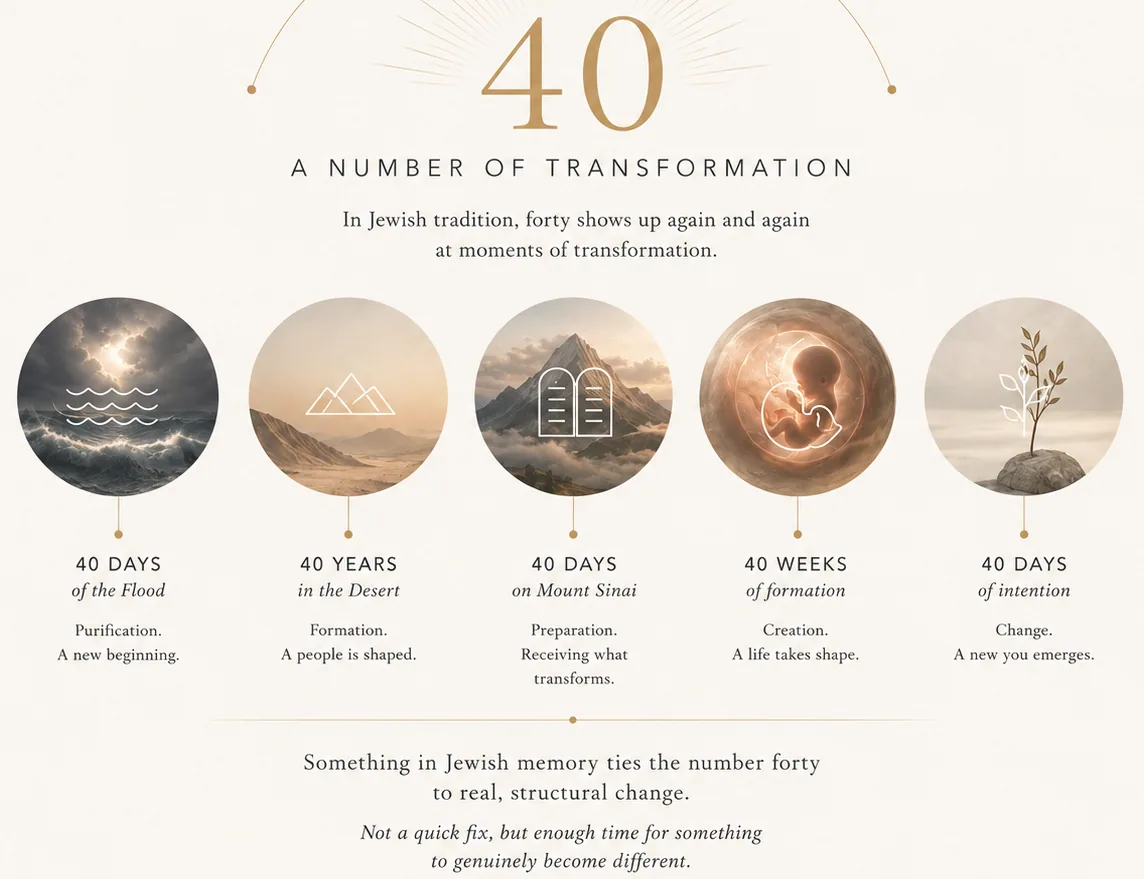
The Jewish year is a cycle of twelve or thirteen lunar months, beginning with Tishrei and Rosh Hashanah, that pairs each season with a specific kind of inner work. Rather than a list of dates, it functions as a repeating structure of expansion and contraction, clarity and concealment, growth, reset and return.
A year ago, I had a clear idea:
to create a Jewish book people could actually connect to—no matter their level.

Not something you needed background for.
Not something that felt distant or inaccessible.
Something you could open—and immediately enter.
Since October 7th, and with the rise in antisemitism, many of us have been asking the same question:
How do I reconnect?
Not intellectually—but on an embodied level.
I realized the answer wasn’t something new.
The Hebrew calendar has always held a deeper structure.
Not just a way to track time—
but a system for how to live.
A system that moves through:
expansion and contraction
clarity and concealment
growth, reset, and return
A repeatable framework for personal and spiritual development.
But there was a gap.
There was nothing that felt:
practical
clear
and easy to enter
Nothing you could open on a random Tuesday—or on a holiday—and immediately understand where you are, and what this moment is asking of you.
So I started writing.
At first, it was precise and focused.
I would sit down and move through it with clarity.
And then it slowed.
The momentum dropped.
The distance between the idea and the execution became clearer.
And at a certain point, I thought—I’m not sure this is working.
So instead of forcing it, I changed the approach.
I started small.
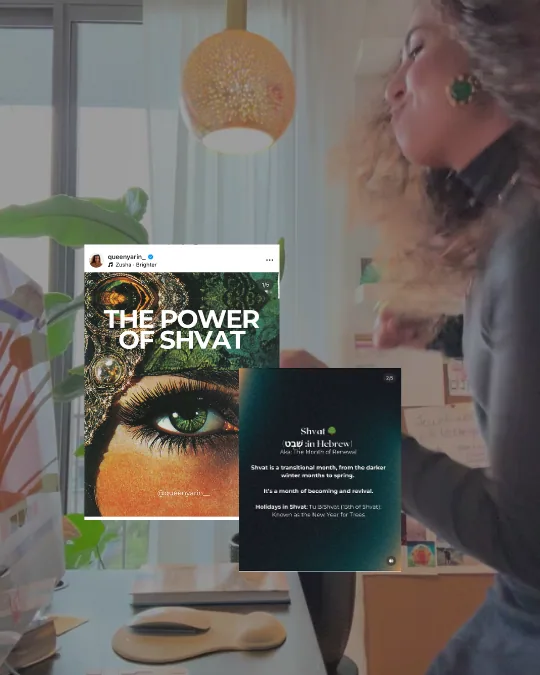
I began sharing pieces—chapters, ideas, visual interpretations—online.
Not as a finished product, but as iterations.
The response made something clear.
The reach was strong—but more importantly, the feedback.
Women writing:
“I’ve never experienced Judaism like this before”
“This made something click”
That’s when it became obvious:
This wasn’t just content.
It was a framework.
So I turned these posts which I took from the book into this substack.
And now I am working on putting everything together into this book.
But not just any book.
Not something you read once and put away.
Something structured, visual, and usable.
Something you can return to—again and again.
On Shabbat, on Rosh Chodesh, On Chagim.. everyday.
A real guide.
And this is how the book was born.
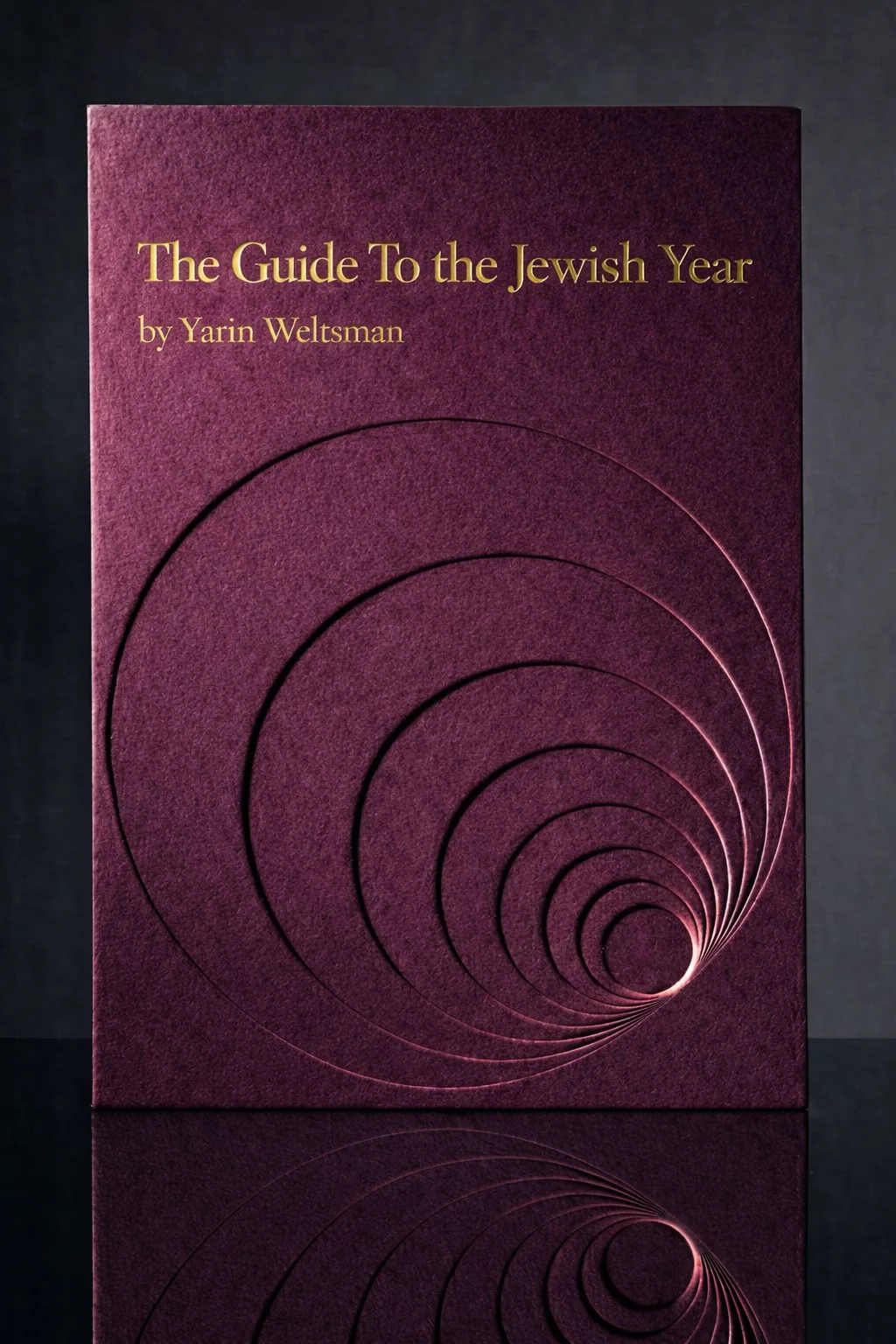
What this book is
This book reintroduces the Hebrew calendar as it was always meant to be:
not just a system of dates—but a living structure for how to live, grow, and evolve.
The Hebrew calendar is not just a way of tracking time.
It is a map, a cycle, a framework for transformation.
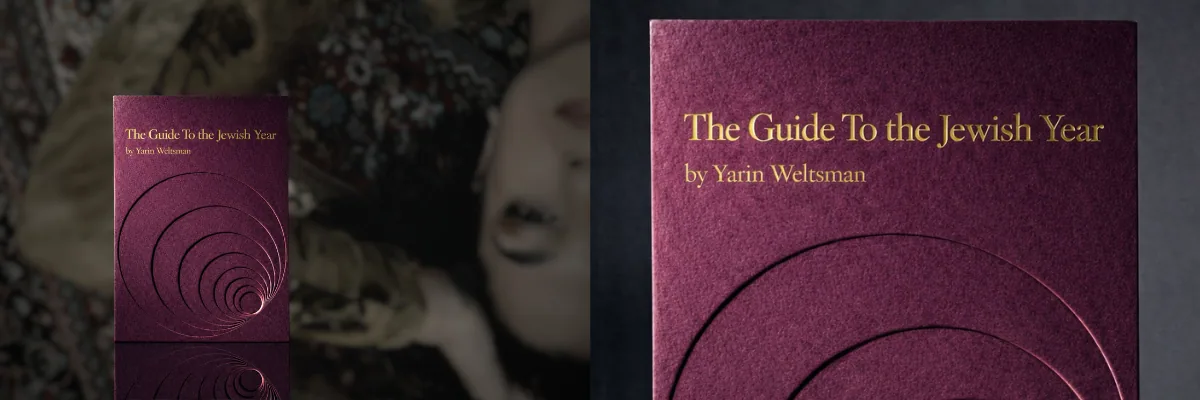
The Guide To The Jewish Year
is a modern, structured approach to Jewish time.
It translates ancient wisdom into a clear, usable system—one that aligns your inner world with the rhythm of the year.
What you’ll find inside
Each moment in the calendar is broken down into three layers:
Context
— the story, history, and roots
Structure
— what we do, and why it matters
Depth
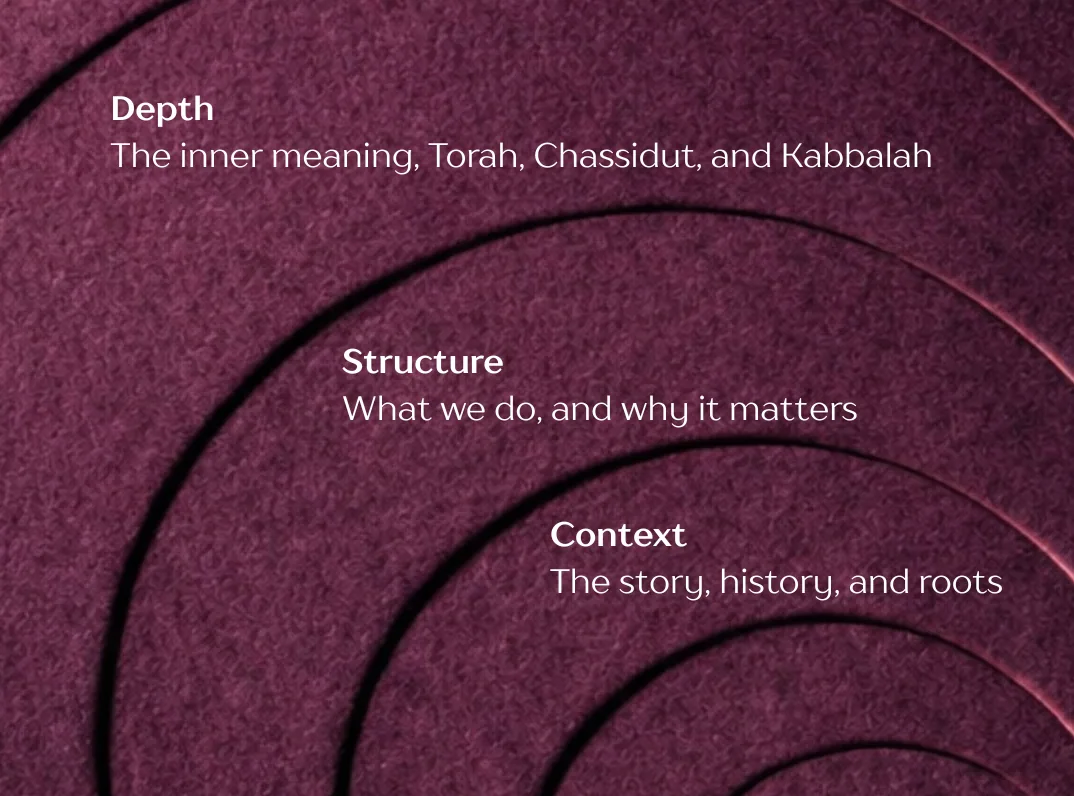
— the inner meaning, drawn from Torah, Chassidut, and Kabbalah
What you’ll experience
Clarity
— understanding what each month is for
— knowing how to move through the year with intention
— connecting to Judaism beyond surface-level practice
Identity
— grounding yourself in something real, rooted, and powerful
Not just inspiration—implementation
This is not a book you read once.
It is a system you return to:
every month
every holiday
every year
A structure you can live inside.
This book is for those that
feel there is more to Judaism than they were taught and want a deeper, more intelligent and spiritual connection.
Judaism already holds that structure.
It just hasn’t been presented this way.
And I am excited to share that this is the first of many.
A new body of work is being built—books, tools, and systems
that reframe how Judaism is experienced in the modern world.
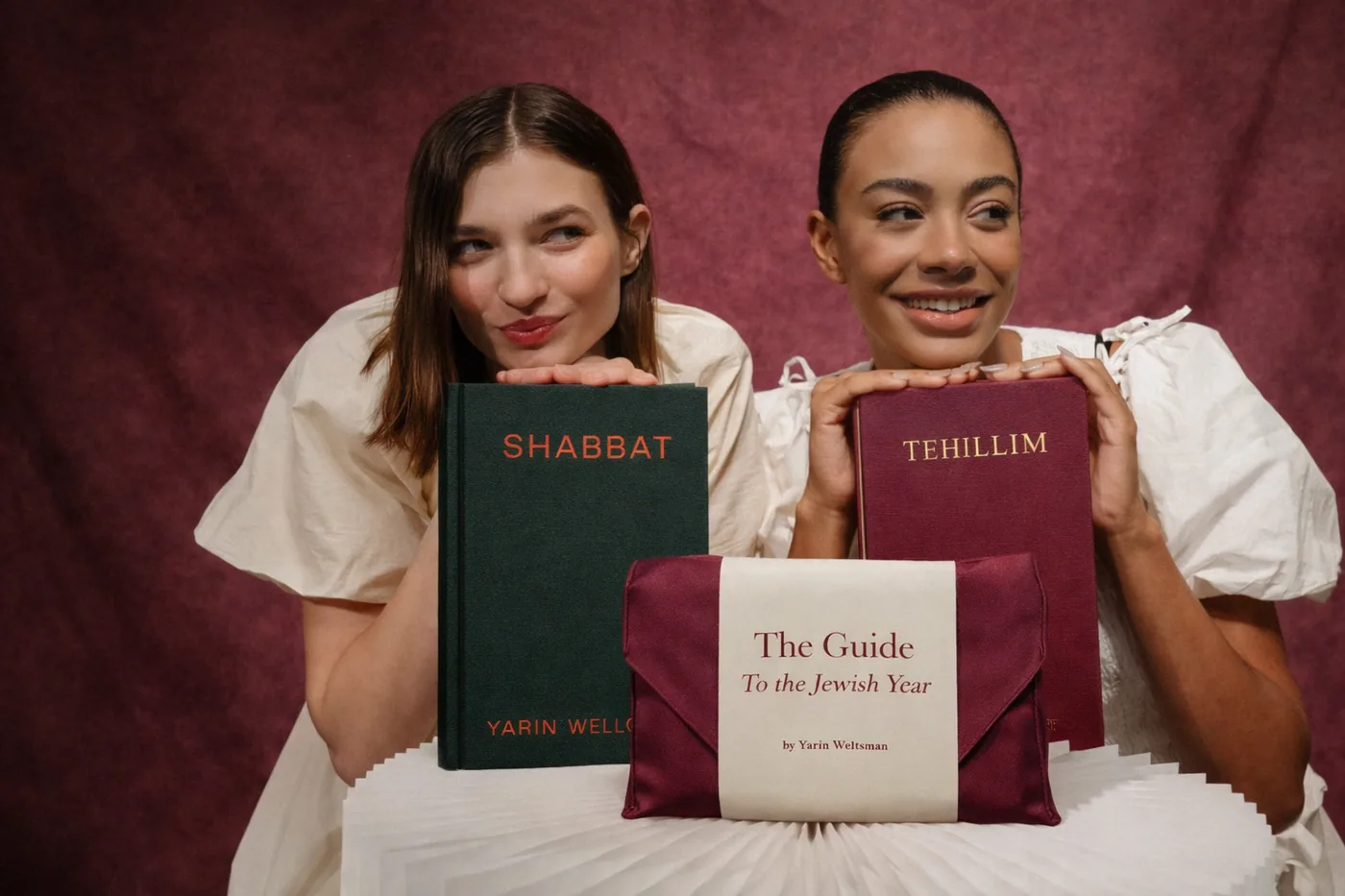
when it’s released.
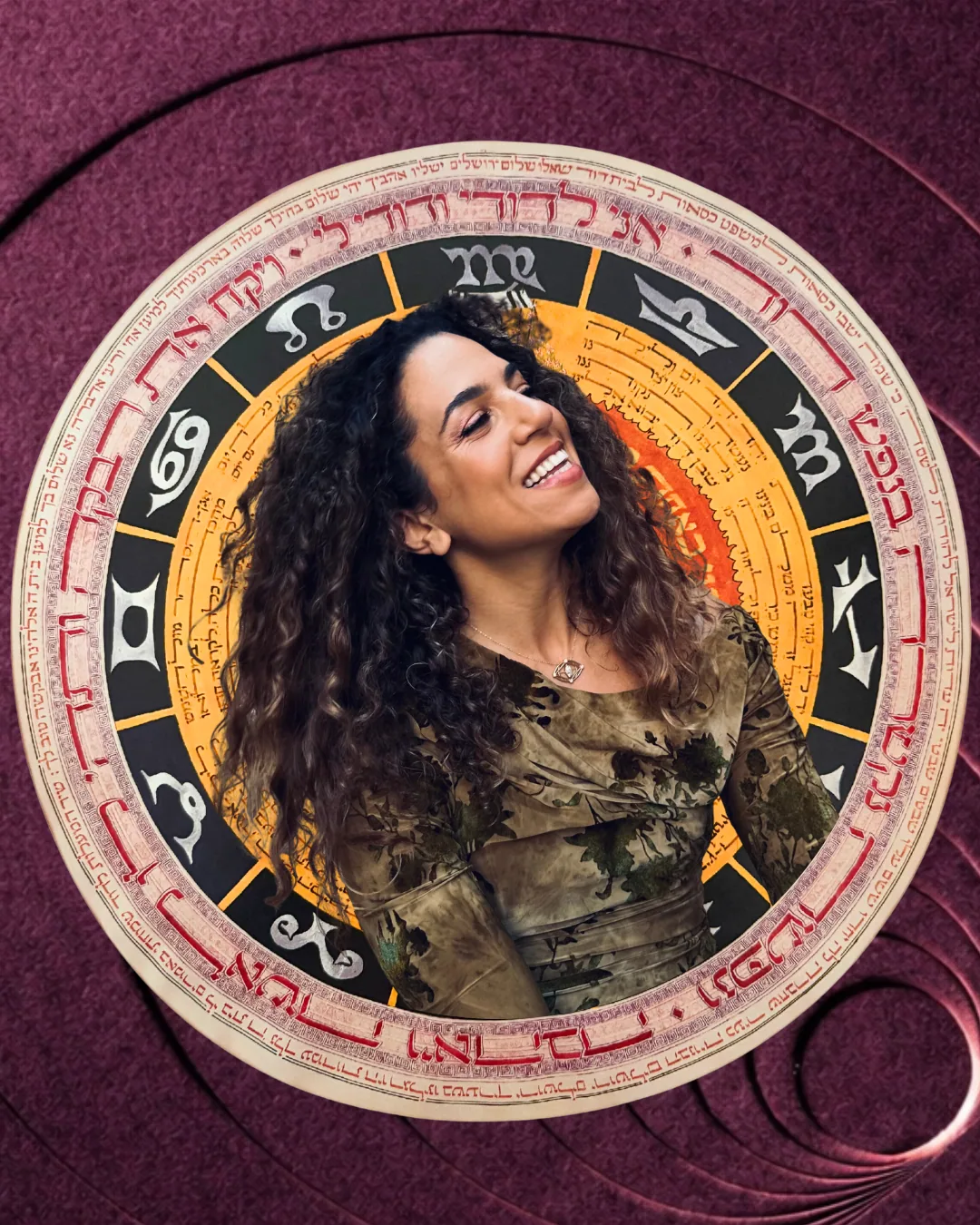
Written by Yarin Weltsman (Queen Yarin)
About Yarin →Questions people ask
How many months are in the Jewish year?+
Twelve in a regular year. Seven times in every nineteen year cycle a thirteenth month, Adar I, is added so the lunar year stays aligned with the solar seasons.
Why does the Jewish year begin with Tishrei?+
Rosh Hashanah in Tishrei marks the creation of the world and the new year for judgment and the soul. Nissan is a second beginning, the new year of the Jewish people, counted from the Exodus.
What is the Jewish calendar used for beyond dates?+
Each month and festival carries its own theme, so the calendar can be used as a yearly curriculum for reflection, intention and return.