In short
Shavuot is the festival fifty days after Pesach that celebrates the giving of the Torah at Mount Sinai. It began as one of the three pilgrimage festivals, a wheat harvest and first fruits celebration in Jerusalem. After the destruction of the Second Temple the sages connected the same date to Matan Torah, and the Book of Ruth is read because her story is one of choosing to belong.
Before It Was About Torah, It Was About the Land.
Before Shavuot was the holiday of the giving of the Torah, it was something else entirely: a harvest festival.
Three times a year, the Jewish people would make a pilgrimage to Jerusalem, and Shavuot was the celebration of the wheat harvest.
People would travel from all over, bringing stunning baskets of first fruits, reuniting with friends, music, vibes… it was a party.
BUTTTT
After the destruction of the Second Temple, everything changed.
The Jewish people had no land, no Temple, and no way to celebrate an agricultural holiday.
So our sages did something remarkable: they transformed it.
They took the same date on the calendar, connected it to the giving of the Torah fifty days after the Exodus from Egypt, and gave us a new way to experience Shavuot that didn’t require land or a Temple.
A holiday that could travel with us into exile.
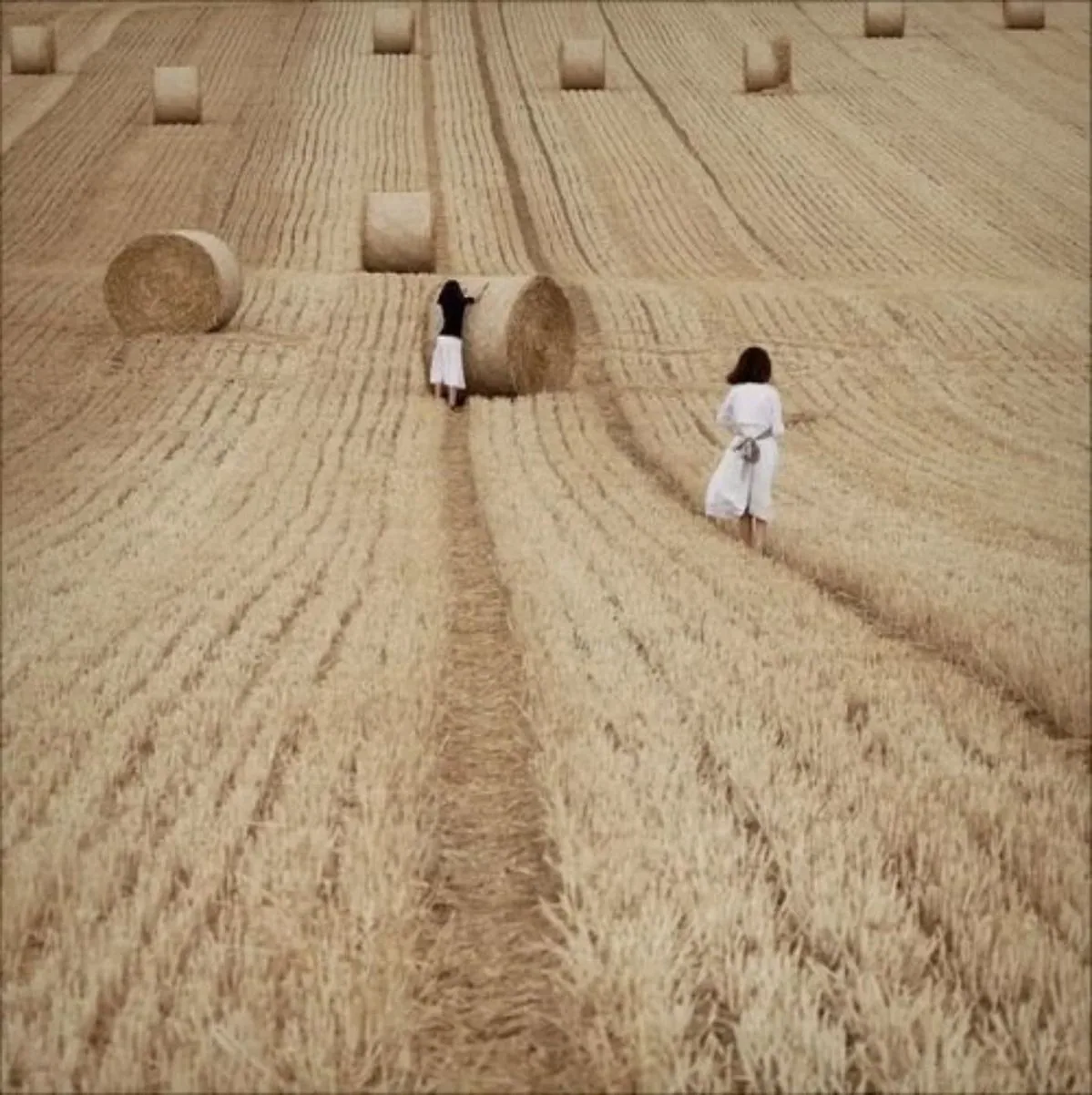
Shavuot was originally an agricultural holiday marking the wheat harvest.
Matan Torah: A WEDDING!
So what actually happened at Har Sinai?
The entire Jewish people stood together at Mount Sinai as
“one soul, one man with one heart”,
and received the Torah not as individuals but as a collective. Unlike other religious traditions built on a single prophet’s private revelation, ours was public. Six hundred thousand souls experienced it together.
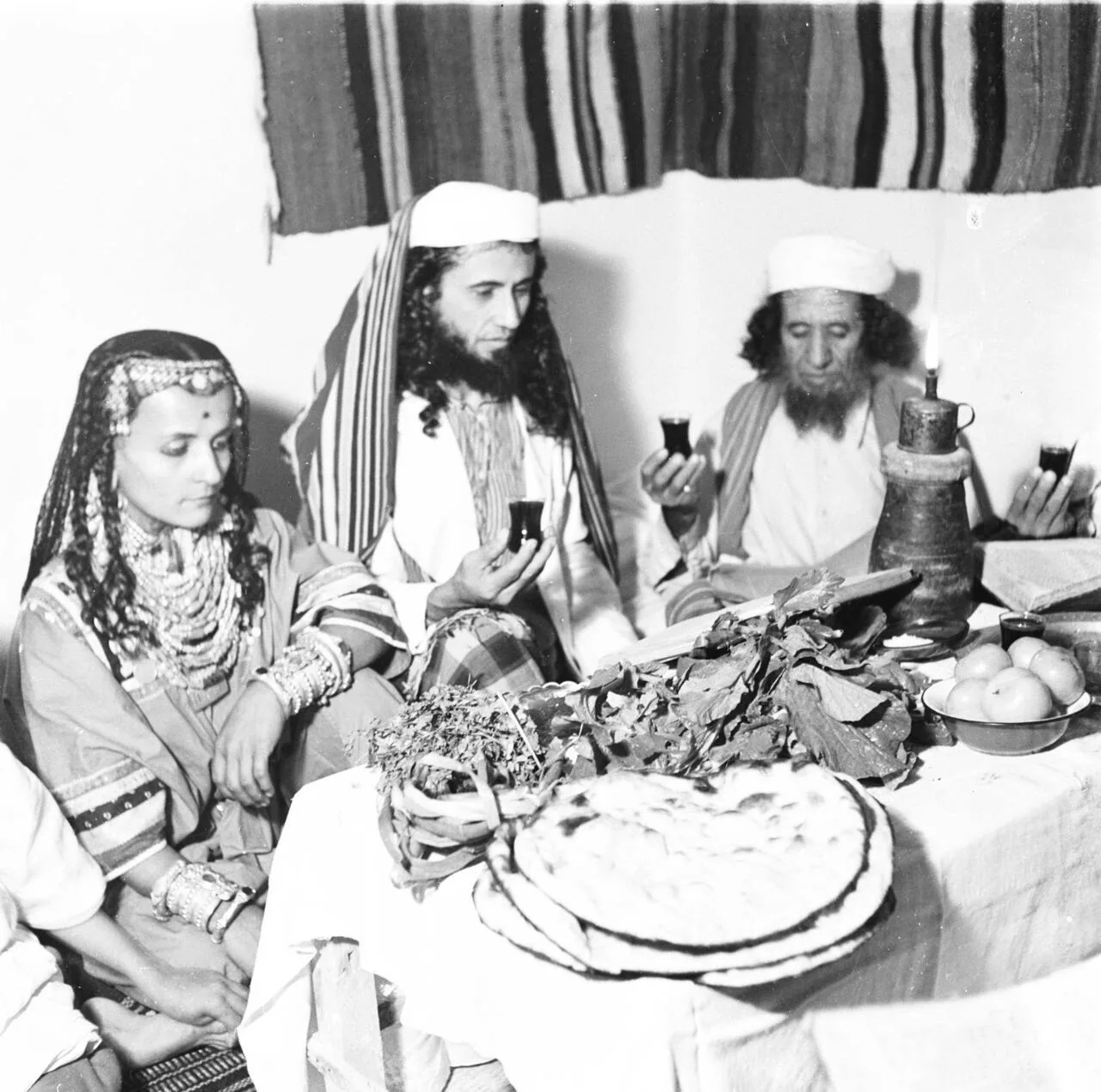
The sages also describe Har Sinai as a wedding.
Hashem was the groom, Am Yisrael was the bride, and the Torah was the ketubah, the marriage contract.
And a ketubah isn’t just love poetry. It’s a document with terms, boundaries, and obligations. The mitzvot are the structure of that relationship, the way we create real intimacy with each other and the Divine.

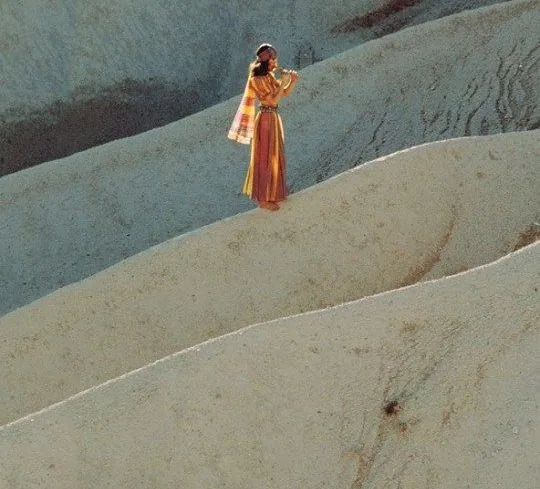
Although Mount Sinai was in the desert, it miraculously bloomed with flowers and greenery at the time the Torah was given
Ruth: The Quiet Power of Choosing
On Shavuot we read Megillat Ruth, the Book of Ruth.
(I love when our holidays star women.)
Ruth is a Moabite woman. Her husband dies. Her mother-in-law Naomi is old and needs to return to the Land of Israel. Ruth could have stayed home in Moav, in her own land, among her own people. Instead she says: “Wherever you go, I will go. Your people will be my people. Your God will be my God.”
She chooses. She converts. She follows Naomi back to Bethlehem, where they arrive poor and unknown. Ruth goes to glean in the fields, which was the ancient Israelite social welfare system, the corners of the harvest left for those with nothing. There she meets Boaz, the owner of the field. They marry. Naomi is cared for. The family line is restored.
We read her story on Shavuot because it mirrors what the holiday is about:
choosing to receive the Torah, choosing to belong to this people, choosing to come home.
Through her humility, her loyalty, her quiet feminine strength, Ruth becomes the great-great-grandmother of King David, and by extension, the ancestor of Mashiach.
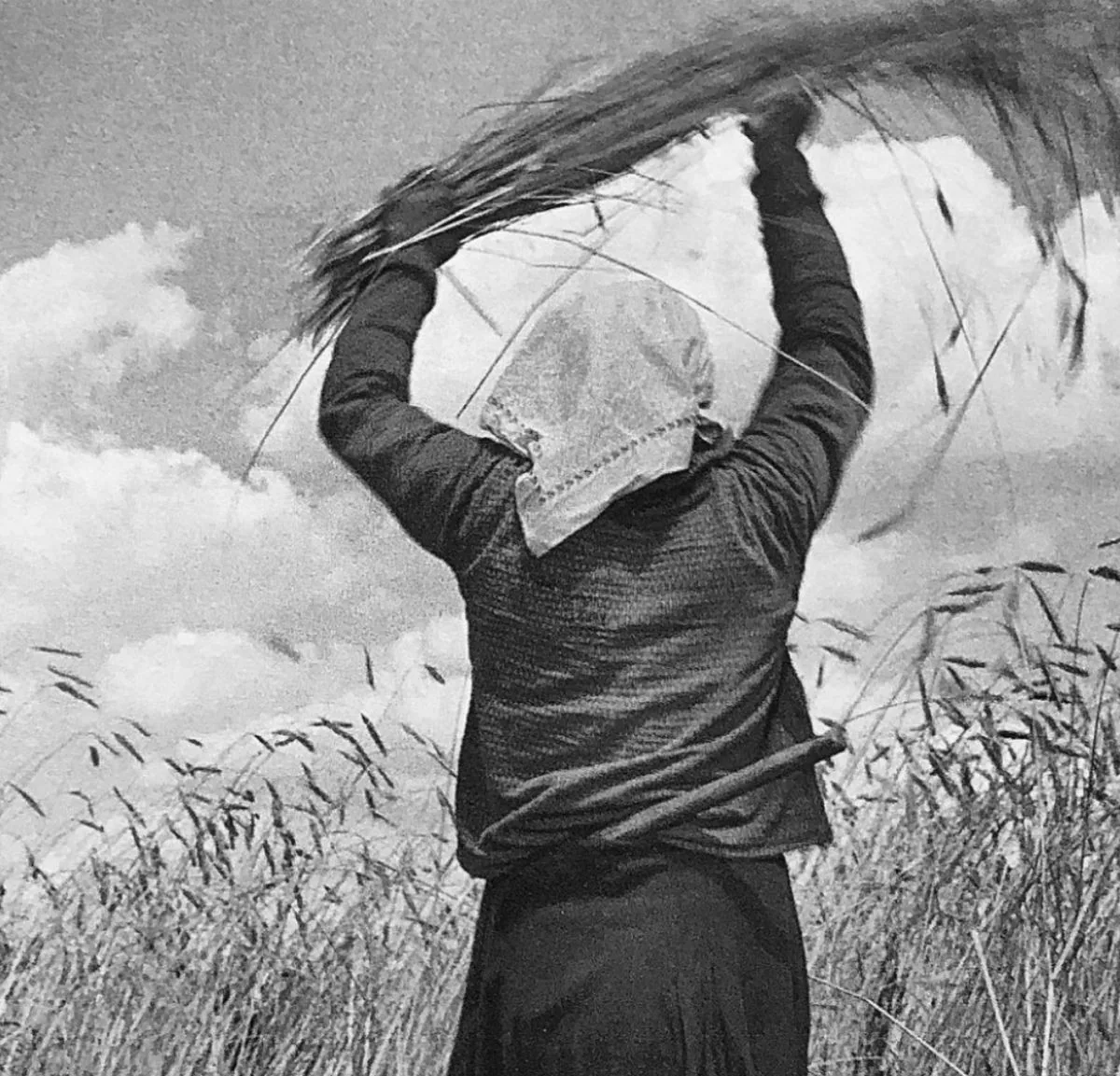
From her loyalty, kindness and commitment, an entire dynasty was born.
Receiving: The Feminine Art of Shavuot
We have just spent 49 days counting the Omer, each week a refinement of a different inner quality. The 49th day lands on Malchut shebeMalchut, the most feminine of all the divine attributes. And we arrive at Shavuot in that energy.
We didn’t conquer the Torah. We received it.
In Kabbalah, receiving, is a feminine act. It requires openness, surrender, stillness. After 49 days of inner work, Shavuot is the exhale. The day you stop proving and simply receive.
Torah isn’t about accumulating more knowledge. It’s about letting what you already know move from your head into your heart and into how you actually live. That work is the real work.
And the Torah has seventy faces. No matter where you are on your Jewish journey, whether you grew up deeply religious or completely secular, there is a teacher, a text, a doorway that speaks the language of your soul.
The invitation of Shavuot is to find it, or simply to be open to finding it.
Because the Torah was given to all of us. Not to the already-fluent or the already-observant. To all of us, as one people, with one heart.
Chag Sameach <3 Yarin
Written by Yarin Weltsman (Queen Yarin)
About Yarin →Questions people ask
What is Shavuot?+
A festival fifty days after Pesach marking the giving of the Torah at Sinai, originally a wheat harvest and pilgrimage festival.
Why is the Book of Ruth read on Shavuot?+
Ruth chooses to join the Jewish people and receive the Torah on her own initiative, which mirrors the choosing at the heart of the festival. She becomes the great grandmother of King David.
How is Shavuot connected to Pesach?+
The forty nine days of the Omer are counted from the second night of Pesach to the eve of Shavuot, turning liberation into preparation for revelation.